Prairieville Animal Hospital Vet Clinic: Senior Pet Exercise Programs
The truth about exercise for aging pets is less about pace and more about intention. At Prairieville Animal Hospital, we see a steady shift in how owners approach activity as a dog or cat crosses into senior life. The clinic floor, the exam room, even the quiet corner where we keep gait belts and resistance bands, tells a story of adaptation. Senior pets in our care rarely need less attention than their younger counterparts. Often they require smarter planning, a bit more patience, and a toolkit that respects joints, energy levels, and long-established routines.
What makes senior exercise distinct is the balance between mobility and safety. A dog who used to sprint from one end of the yard to the other may now benefit from shorter, more frequent bouts that protect both cartilage and confidence. A cat with arthritis might not sprint through the living room, but a curated routine can preserve range of motion and keep mousing reflexes sharp. The goal is not to push through pain or fatigue but to maintain function, prevent stiffness from becoming a habit, and sustain a sense of purpose and enjoyment in daily life.
In practice, our senior exercise programs grow from listening to the pet and reading the body language that often changes with age. We pair veterinary guidance with real-world cues from families who live with these animals every day. The result is a framework that feels less like a plan and more like a living routine, adaptable as the pet’s health, living space, and energy ebb and flow.
The foundation is simple. We start with a thorough assessment. Weight, joint comfort, muscle tone, heart and lung status, and a review of medications all feed into a personalized plan. Our recommendations revolve around safe movement, gentle strengthening, balance work, and cardiovascular activity that respects the pet’s current limits. The math is practical: less intensity, more consistency, and a little extra care around weather, injuries, and recovery from any minor flare-ups.
From there, a real-world program unfolds. We walk clients through the daily rhythm of exercise and the weekly progression that makes incremental gains possible without forcing the body to adapt too quickly. We keep the cadence predictable so owners can weave it into morning routines, afternoon breaks, or after-dinner strolls. The best programs feel seamless, almost habitual, but behind the scenes they’re the product of careful monitoring and honest communication between veterinarian, technician, and family.
A typical senior dog program at Prairieville builds around three shared objectives: preserve mobility, reduce pain, and sustain a sense of empowerment. Mobility isn’t about chasing the wind. It’s about keeping hips and shoulders moving through their full range, maintaining muscle support for joints, and ensuring the pet can negotiate stairs, cushions, and door thresholds with less hesitation. Pain management may include medical therapy alongside exercise, because movement that hurts becomes depressed, and depression reduces activity in a downward spiral. Empowerment is the emotional thread. When a senior dog can hop onto a sofa or pick a favorite spot on command, confidence returns, and the relationship between human and animal strengthens.
The clinic’s approach blends physical therapy concepts with everyday life. We don’t require fancy equipment or a gym membership for most pets. A few simple tools—low-profile ramps, a soft collapsible step, a balance pad, and a light resistance band—can unlock meaningful gains. The emphasis is on practical, repeatable movements that owners can perform safely at home. We also acknowledge the realities of life in a busy household: caregivers balancing work, family, other pets, and a schedule that can feel like a moving target. The best programs honor those realities by being straightforward and adaptable.
The nuance comes through in what we watch for during sessions and home visits. Seniors aren’t just older versions of younger pets; they respond differently to stimuli, require longer warm-ups, and sometimes need a slower ramp to peak effort. One client might find that a familiar daily walk remains the most reliable daily exercise, while another discovers that a few minutes of pool therapy or water-walking reduces stiffness without stressing fragile joints. Our role is to guide those conversations, translate veterinary notes into practical steps, and adjust plans when a health issue changes the landscape.
A key difference in Prairieville’s posture toward senior exercise is the emphasis on consistency over volume. We cat boarding near me encourage daily movement in modest doses, followed by rest and careful observation. The body is an adaptive system, and gradual exposure to movement tends to build tolerance without provoking pain. This is not about pushing through discomfort for the sake of a record or a milestone; it is about enabling the pet to enjoy the day with fewer restrictions and more participation in family life.
In the clinic, we often begin with a baseline assessment that covers more than the obvious. We measure how a dog or cat responds to gentle range-of-motion exercises, note any tremor or guarding of a limb, and observe how fatigue appears—fade-out of energy, heavy breathing, or reluctance to continue. The values from that first session guide the pace for weeks to come. We recheck progress regularly, but we also rely on the quiet signals owners notice at home: is a pet waking more easily in the morning, is a favorite toy still appealing, is there a tendency to avoid stairs, or does the animal still show interest during a walk but with more pauses for rest?
As with any medical plan, the risks matter. Soreness after a new activity is not, in itself, a failure; it can be expected if the activity is challenging. The line between adaptation and irritation is subtle. That is why we pair exercise plans with pain scores, behavior notes, and, when needed, imaging or a veterinary physical therapist’s input. We strive to keep tasks within safe boundaries, yet still challenging enough to yield progress. The experience behind Prairieville’s senior programs is built on years of listening to pets and their people, refining routines as new data become available, and staying pragmatic about what can be sustained day in and day out.
From a practical standpoint, senior exercise is as much about the environment as the activity. We counsel families to create spaces that invite movement rather than deter it. Soft lighting, clutter-free hallways, non-slip floors, and accessible resting spots can transform the experience from a struggle to a routine that feels almost effortless. The home becomes the gym, but with less pressure and more predictability. Teaching owners to read a pet’s pace and to adjust the session length accordingly is one of the most valuable skills we pass along during consultations.
The relationship between veterinary care and exercise for seniors is collaborative. We often see owners who take the time to document daily routines, track energy levels, and write down subtle changes in mobility. Those notes become a powerful resource when we decide whether to alter a plan, introduce a new modality, or recalibrate exercise intensity. This shared responsibility shifts the dynamic from a purely clinical directive to a partnership grounded in everyday life. The pets benefit when care feels cohesive, and owners gain a sense of agency from being part of a carefully guided program rather than an outside observer of a fading vitality.
Two elements underpin our approach that deserve particular emphasis. First, safety is non-negotiable. Second, and equally important, is personalization. No two aging pets age in the same way, and what sounds sensible in theory may not align with a given animal’s temperament or living situation. The clinic’s job is to translate broad best practices into a plan that works in your home, your yard, your stairs, and your routine.

To illustrate how this translates into real life, consider a few patient stories drawn from our daily practice. A seven-year-old shepherd mix with early hip changes found relief through a simple sequence of short hallway walks, twice daily, paired with slow ramp climbs and controlled back-leg exercises on a non-slip mat. Within two months, we noticed less stiffness in the mornings and a more confident climb onto the couch. The owner, a busy nurse, found the routine easy to fit into shifts, and the dog began looking forward to those moments as a dependable part of the day rather than a chore. In another case, a senior cat with arthritis enjoyed a gentle, cat-friendly program that included supervised play with a feather wand, short towel-assisted stretches, and a few minutes of supervised stair stepping. The changes were modest but meaningful, translating into improved mobility and a more engaged demeanor during rest periods.
The senior pet program is not a one-size-fits-all map. It is a living plan that evolves, and that evolution often follows the pet’s weather patterns, seasonal routine, and health status. Cold weather, for instance, can stiffen joints and reduce willingness to move. In those moments we adjust by increasing the frequency of shorter sessions, adding warm-up steps, or swapping outside strolls for indoor mobility games. Heat can be just as challenging, especially for older animals with heart or respiratory concerns. Hydration considerations and shade during outdoor activity become part of the safety net that keeps exercise sustainable across the year.
Owners frequently ask how to tell when to push a little more and when to pull back. The short answer is the body tells the story, in the language of posture, breathing, and mood. If a pet is ambling along with a relaxed mouth, soft eyes, and a consistent pace, there is room to gently increase either duration or cadence. If the pet holds a tense body, grits teeth, or exhibits a dramatic drop in interest after a single repetition, it is time to pause and reassess. We encourage families to keep a simple log for a few weeks, noting weight changes, appetite, sleep quality, and perceived comfort after exercise. Those data points help us tailor the program with confidence rather than guesswork.
Two lists capture the practical core of our senior pet exercise approach. The first outlines common exercises that many senior dogs and cats tolerate well when introduced gradually. The second focuses on safety and daily life integration, offering a quick checklist for caretakers.
Common senior pet exercises
- Short hallway walks that keep a steady, manageable pace and end with a quiet rest
- Seated or supported standing balance work using a sturdy chair and a low, stable surface
- Gentle resistance work with a light band or a few light dumbbells held for stance and core engagement
- Back-leg stretching and controlled hip ramp activities on a non-slip mat
- Slow stair stepping or step-up exercises with close supervision and ample resting intervals
Safety and daily life integration
- Warm-up and cool-down periods around each activity to protect joints and muscles
- Non-slip flooring and accessible resting spots to prevent slips and encourage independence
- Hydration breaks and weather-appropriate planning for outdoor sessions
- Clear, calm signaling between owner and pet to minimize anxiety and maximize cooperation
- Regular check-ins with the veterinary team to adjust plans as conditions change
The two lists above illustrate the practical blend of routine and safety that underpins our program. They are not exhaustive, but they are effective when applied with attention to the individual animal. We see this approach paying dividends in more than measurable gait improvements. The intangible benefits—reduced frustration, a brighter animal, and a more harmonious household—often matter as much as the physical gains.
In terms of outcomes, we track a handful of tangible metrics that can help families understand progress without chasing a moving target. Mobility can improve as measured by easier transitions between positions, less effort required for the same movement, and reduced reliance on support when negotiating stairs or beds. Pain scores from owner observations, when combined with veterinary examinations, provide a robust signal of how the program is performing. Energy levels and willingness to engage in enrichment activities are equally telling. A pet who once avoided play or hide-and-seek might reappear with interest, offering a clear sign that exercise is contributing to overall well-being.
Education remains a pillar of Prairieville’s philosophy. We invest time in explaining not just the how but the why behind each recommendation. Owners who understand that the goal is to preserve function rather than maximize intensity tend to stay committed longer and adjust more gracefully to inevitable setbacks. We share practical tips for integrating exercise into daily life without turning routine into a full-time job. For instance, a leash-walk in the yard can be easily transformed into a quick sniff-and-scent game that stimulates the brain and tires the body in a healthy, balanced way. A cat household might benefit from scheduled play sessions that mimic hunting behavior, using feather wands or gentle laser toys in short, controlled bursts.
The clinical environment supports this at every step. During visits, we revisit the exercise plan, reassess comfort, and adjust any medication or therapeutic adjuncts that can improve participation. For some pets, adding a short, supervised hydrotherapy session can offer a low-impact cardiovascular workout that spares joints while building muscle. For others, simply refining daily routines—consistency in meal times, predictable exercise windows, and a calm, familiar ritual around movement—proves to be a surprisingly powerful enhancer of mobility and mood.
We are mindful that not every practice fits neatly within a set of routines. Senior pets sometimes arrive with complex medical histories: degenerative joint disease coupled with cardiovascular concerns, or thyroid imbalances that influence energy. Our approach remains pragmatic. We coordinate with specialists where needed, and we tailor the plan to balance safety with the desire to stay active. The result is a program that respects medical realities while promoting the dignity and independence of the aging animal.
Two more practical notes tend to surface in conversations with families. The first is to view exercise as a spectrum rather than a fixed target. Some days will be easier than others, and that’s normal. On tougher days, shorter sessions with more rest may be the better choice. The second is to celebrate small victories. An extra minute of comfortable movement, a new position achieved with ease, or a return to a favored activity after a period of hesitation are all meaningful signals that the plan is working. The emphasis is on sustainable progress, not heroic attempts that end in soreness or reluctance to move.
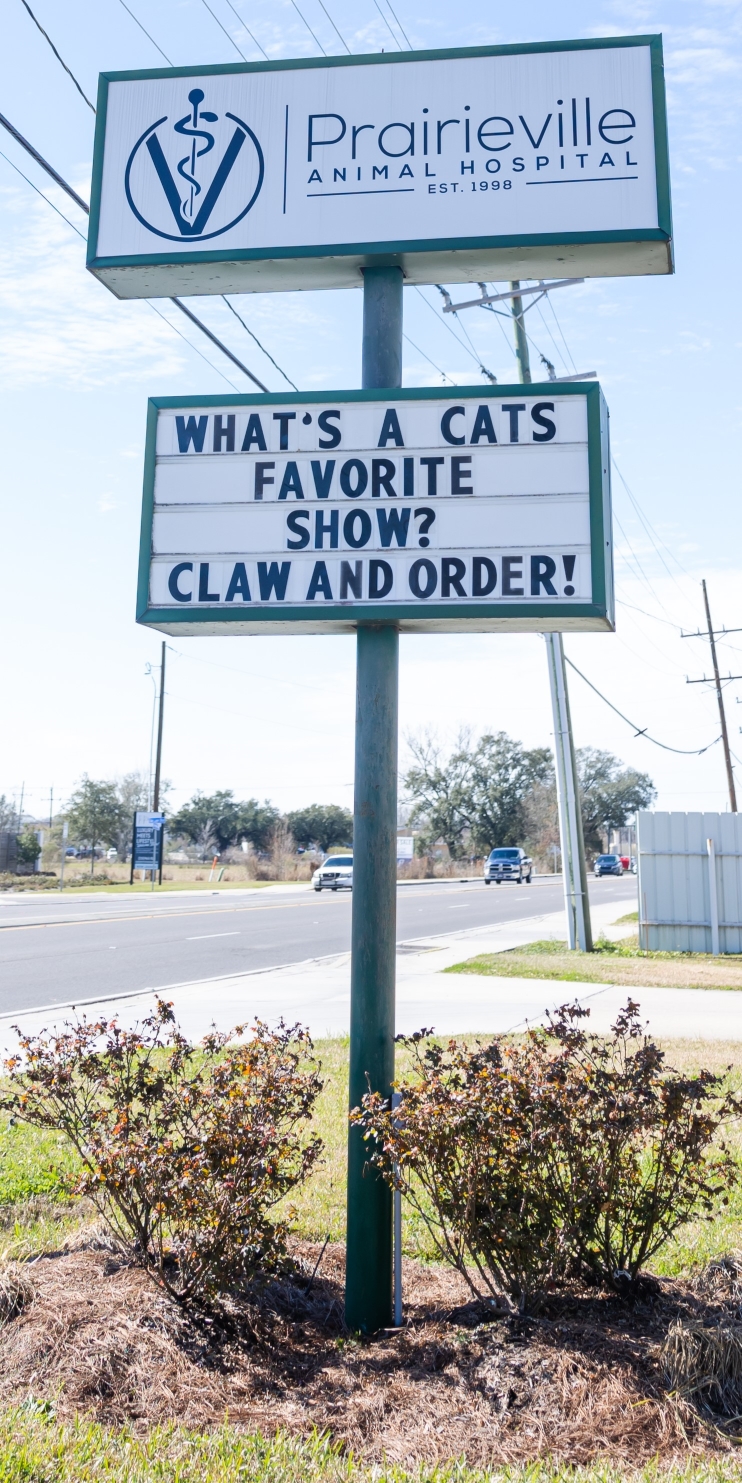
The Prairieville clinic also recognizes the emotional dimension of senior care. Pets are not just bodies with joints and muscles; they carry memories of routines, roles within the family, and the satisfaction that comes from being able to contribute to daily life. An elderly dog who can greet visitors at the door without pulling on the leash or a cat who chooses a sunlit perch after a session becomes more than a patient. They become a living connection to a family’s shared life. Respecting that connection informs how we structure sessions, how we praise effort, and how we communicate the plan to owners.
In addition to in-clinic services, home-based options provide continuity that many families value. A veterinarian and a technician can visit to adjust equipment, observe the pet in familiar surroundings, and coach the family through the next phase of the program. This is especially valuable for pets who have become nervous in unfamiliar environments or who show changes in mobility after a patch of poor weather. We understand how weather, household routines, and the presence of other animals can influence a senior pet’s daily movement. Our home visits and remote coaching options help bridge gaps when life gets busy or travel becomes necessary for work or family obligations.
The senior exercise program retains a steady core of principles while offering a broad spectrum of possible adaptations. For some, water-based therapy provides low-impact resistance that supports the spine and limbs. For others, a simple set of household items—towels, light resistance bands, a non-slip mat—can be enough to support gentle strengthening and balance work. The goal remains constant: protect joints, maintain muscle mass, and promote mental engagement through purposeful movement.
As with any area of veterinary care, the quality of the program hinges on the people involved. Our team at Prairieville Animal Hospital Vet Clinic brings a blend of clinical insight, hands-on experience, and a calm, encouraging communication style. We listen more than we lecture, and we tailor our recommendations to fit the pet’s medical history, the family’s routines, and the home environment. The result is a plan that feels doable, not intimidating; a path that respects the pet’s dignity and fosters a sense of partnership with the owner.
In closing, senior pet exercise programs embody a careful balance of science and everyday life. They are not about chasing the vitality of a youth that has passed, but about preserving the ability to participate in the moments that matter most. A dog’s daily walk to greet the dawn, a cat’s climb to a favorite window seat, or a shared game that sparks a laugh at the end of the day—all of these experiences accrue value when they can be sustained with fewer pains and more predictability. At Prairieville, that balance is not a slogan. It is the result of years spent refining routines, listening to families, and turning veterinary expertise into practical, compassionate care.
If you are navigating senior pet care in Prairieville or the surrounding area and want to explore how an exercise program could fit into your pet’s life, start with a conversation. Bring your observations, your questions, and a willingness to adjust as your companion ages. We will bring the experience, the plan, and the steady hands needed to ensure that your senior pet stays engaged, comfortable, and connected to the family for as long as possible.
Ends · LORENZOBZVQ892