Vaccinations for Pets Prairieville Animal Hospital: Booster Guidelines
Vaccinations are one of those routine care moments that quietly shape a pet’s long-term health. They are not glamorous, but they are fundamentally practical. At Prairieville Animal Hospital, we approach booster guidelines with a clear eye on protection, feasibility for families, and a realistic view of how vaccines perform in real life. The goal is steady immunity without unnecessary interventions, to keep pets thriving through adolescence, adulthood, and the aging years.
Understanding booster concepts helps owners feel confident when the appointment reminder slips into the calendar. A booster is not a one-and-done event. It’s a recurring part of a pet’s health plan, designed to ramp up protection when antibodies wane and the immune system benefits from renewed training. To put it plainly, boosters are about continuity. They reinforce the work that vaccines start, ensuring protection isn’t a momentary shield but a durable defense against preventable disease.
In practice, booster decisions hinge on a few predictable factors: the type of vaccine, the pet’s age when vaccination began, the animal’s health status, exposure risk, and the evolving science behind how long immunity lasts. Public health considerations also factor in, because vaccines don’t just protect the individual pet; they contribute to broader community protection by reducing transmission opportunities. At Prairieville Animal Hospital, we talk through these aspects with pet guardians, balancing science with everyday life.
Core vaccines form the backbone of most booster schedules. Core vaccines are recommended for all patients, regardless of lifestyle, because the diseases they prevent are severe and widely encountered. Non-core vaccines are tailored to the individual pet’s risk of exposure. A careful, case-by-case approach helps families avoid unnecessary shots while ensuring important protection is in place. Our discussions around boosters aim to be practical, never alarmist, and always grounded in clinical experience from years of daily practice.
This article walks through the practicalities of booster guidelines for pets, with attention to dogs and cats, the two species most commonly presenting for booster care. We’ll cover the logic behind how boosters work, the typical timelines you’ll encounter, how to recognize when a vaccine has produced a robust response, and where booster decisions can be adjusted based on lifestyle, age, or health changes.
What boosters do and how immunity evolves
Vaccines introduce a non disease producing element that trains the immune system. Over time, memory cells become the steady lieutenants. When a rabies, parvovirus, distemper, or feline calicivirus encounter happens, these memory cells respond, deploying antibodies and immune cells that chase down the invader. Booster doses refresh that memory. They remind the immune system what the attacker looks like and sharpen the response.
In a practical sense, a booster can be understood as recharging a battery that can gradually lose capacity. The timing of that recharge depends on several variables. Some vaccines generate long lasting immunity with a tightly scheduled series, others rely on periodic re-exposure to maintain protection. The science continues to evolve, and we balance the newest evidence with the realities of daily veterinary practice. The aim is steady, reliable protection rather than perfect predictability in every single case.
Vaccines and schedules for dogs: a practical roadmap
Dogs come in with a spectrum of risk profiles that can influence booster timing. In general, puppies begin a vaccination series after a first round of maternal antibody protection wanes, often around eight weeks of age. The initial series typically includes multiple doses spaced a few weeks apart. After the puppy series, boosters occur at specific intervals to sustain protective antibody levels.
Core vaccines for dogs traditionally include canine distemper, canine parvovirus, and canine adenovirus type 2. Rabies protection is mandatory in many jurisdictions and remains a central part of booster planning. Then there are non core vaccines, which cover conditions such as leptospirosis, Bordetella bronchiseptica (kennel cough), and others depending on exposure risk. The booster schedule adjusts when a dog is older or confronts health changes. Some pets may begin adult boosters with a strong, lasting response from their puppy series, while others require a more conservative approach if health concerns or age alter immune responsiveness.
A practical way to think about dog boosters is to picture the first year as the period of establishing robust immunity. The following years are about maintaining that immunity through targeted boosters. If a dog has a strong response to primary vaccination and remains in a low risk environment, a guideline might lean toward longer intervals between boosters. Conversely, dogs with higher exposure risk or vaccines with shorter known durations will need more frequent reinforcement. In our practice, we weigh the dog’s lifestyle, the pet’s prior response to vaccines, and the latest veterinary guidance when finalizing the plan.
Vaccines and schedules for cats: a parallel path
Cats mirror dogs in the structure of booster discussions, with a distinction in the specifics of diseases and scheduling. The core vaccines for cats typically address feline herpesvirus, calicivirus, and feline panleukopenia (the FVRCP combination). Rabies remains a core vaccine for most jurisdictions as well. As with dogs, non core vaccines come into play based on exposure risk. Indoor cats living a low risk life can have different booster rhythms than outdoor cats or those living with other animals.
The cat vaccine timeline starts with a primary series during kittenhood. After this initial phase, boosters are administered to preserve protective antibody levels, with intervals influenced by the risk environment and the observed duration of immunity in practice. We see that some cats maintain protection for longer than standard intervals, while others respond more quickly to boosters, necessitating a schedule that keeps pace with individual health trajectories. The cat booster conversation often centers on indoor environment versus outdoor access, contact with other cats, and household vaccination status.
The realities of booster timing in practice
In the clinic, we regularly reconcile guideline-based schedules with real-world factors. A few common considerations shape booster timing:
- Age and health status: Very young, aging, or immunocompromised pets may require adjusted intervals or even a temporary hold on non essential vaccines if health issues demand care first.
- History of adverse reactions: A pet with a history of vaccine reactions requires a thoughtful plan, sometimes involving shorter intervals or separate administration of vaccines to monitor tolerance.
- Exposure risk: Pets living in multi animal households, frequent boarding, or travel across state lines may justify additional non core vaccines or adjusted boosters to align with exposure patterns.
- Local disease pressure: If a community experiences a surge of a particular disease or a known outbreak, we may tailor the schedule to bolster protection during that period.
One guiding principle we apply is to avoid repeating vaccines more often than necessary. The immune system does not benefit from needless repeats, and the risk of adverse reactions grows with each additional exposure. The art lies in identifying the critical boosters that provide durable defense while steering clear of superfluous injections.
What you can expect during booster visits
A booster visit at Prairieville Animal Hospital typically centers on a few core activities. The veterinarian reviews the pet’s health status, confirms age, checks for pregnancy or lactation if relevant, and assesses whether any health issues might affect vaccine safety. We verify vaccination history to avoid duplicate dosing and to ensure the right vaccines are given at the correct intervals. The physical exam during a booster appointment is a practical due diligence step; it gives us a better understanding of how the vaccine may interact with the pet’s current physiology.
In many cases, the actual vaccination takes just a moment. We aim to minimize stress for both pet and guardian. Comfort measures may include using a quiet room, gentle restraint, or topical anesthetics for short procedures. For guardians who are anxious about the process, we provide clear explanations of what to expect before, during, and after injection. The aim is to create a calm, predictable experience that sets the stage for sustained trust between owner, pet, and clinic.
The signs that a booster did its job, and what to watch for after
Immunity is not a visible phenomenon, but the consequences of proper boosters show up in protection against disease. That said, some vaccines can cause mild, transient reactions in a small number of pets. Common, short lived responses include low grade fever, slight lethargy, or localized swelling at the injection site. These typically resolve within 24 to 72 hours without intervention. In rare cases, a pet may experience a more significant reaction requiring veterinary attention. If any concerning symptoms appear, such as persistent vomiting, gain or loss of appetite, or generalized swelling, guardians should contact the clinic promptly.

To support a smooth vaccination experience, preparation matters. Feeding a light meal before the appointment can reduce the chance of fainting in especially anxious pets. Bringing medical history, current medications, and any known allergies helps the team tailor the plan. Aftercare is usually straightforward: monitor for mild soreness, keep an eye on appetite and activity, and follow any specific instructions provided by the veterinarian.
Two lists that clarify common booster considerations
- Core boosters and rationale: Distemper, parvovirus, and adenovirus are widely recognized as essential because severe illness from these pathogens has historically caused significant morbidity and mortality in dogs. For cats, core boosters cover diseases such as feline panleukopenia and the viruses behind common upper respiratory disease. Rabies boosters are essential in almost every jurisdiction and sit alongside the core set as a public health measure with individual importance.
- Non core boosters and lifestyle relevance: Leptospirosis, Bordetella, and Lyme disease vaccines fall into non core categories for many dogs, chosen according to exposure risk like outdoor activities, water sources, and travel. For cats, non core options may address infections tied to outdoor exposure, such as certain respiratory pathogens. The key is to align these boosters with the day to day reality of the pet’s life, rather than defaulting to a universal schedule.
These lists are not a stand in for a personalized plan. They are a quick reference illustrating the logic that informs booster decisions. The actual plan you receive at Prairieville Animal Hospital is shaped by your pet’s medical history, current health, and how you describe daily routines and environments.
Balancing booster needs with long term health
There is a practical tension in booster guidelines: do we shoulders more vaccines early on to ensure broad protection, or do we pare back to reduce cumulative exposure? Experience often points to a hybrid approach. Puppies and kittens begin with a robust initial series to establish memory and prevent early life disease. After that, boosters transition into targeted, measured intervals designed to preserve protection without oversaturation. The cost and comfort burdens matter too. Each shot represents a moment of physical stress for a pet and a logistical task for a family. Our aim is to minimize disruption while preserving meaningful health gains.
The veterinary teams at Prairieville Animal Hospital bring a depth of clinical experience to this work. We have watched immunity develop across hundreds of pets, note how it wanes over time, and adjust recommendations accordingly. Our approach blends a careful reading of scientific literature with the realities of daily practice. We understand that the best booster plan often sits at the intersection of evidence and the pet’s life story.
Edge cases, compromises, and thoughtful deviations
Some patients present with complex medical histories. Seniors with chronic conditions, immune mediated diseases, or organ dysfunction require special consideration. In these cases, boosters might be spaced further apart, or certain vaccines temporarily postponed to avoid undue stress on the body. We may also switch to vaccine formulations that are better tolerated, or deliver vaccines in a multi step process to observe tolerance. The goal is to maintain protection without compromising overall health.
There are also guardians who travel frequently or participate in events where exposure risk spikes. For these families, an advisory model works well: plan boosters in advance of travel, ensure up to date core protection, and discuss any relevant non core options based on anticipated settings. The clinic’s role is not merely to vaccinate, but to coordinate a coherent health plan that matches the pet’s day to day life.

Medication interactions and vaccines
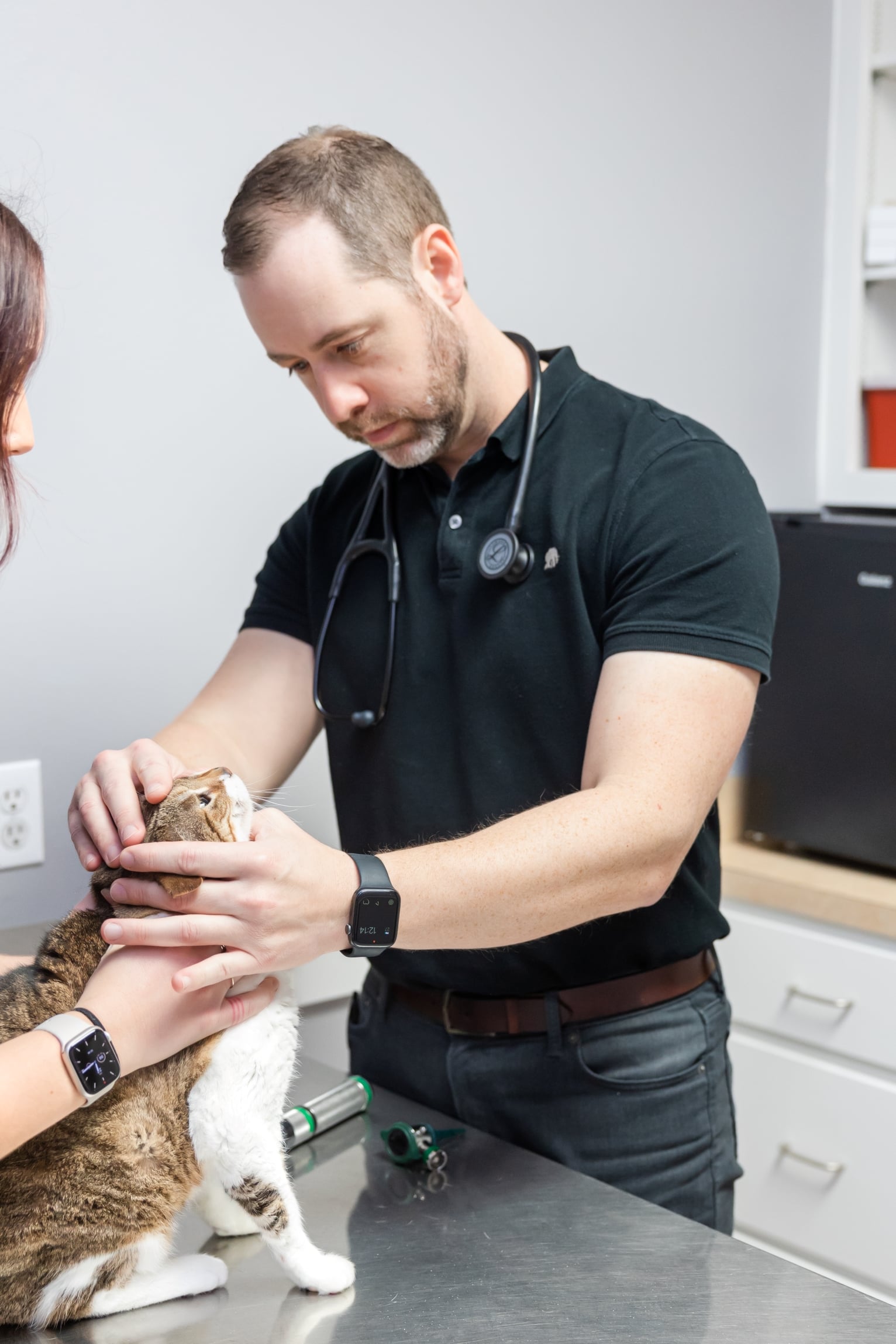
Vaccines are designed to work with the body, not against it. In most cases, vaccines operate independently of routine medications. However, there are conversations worth having when a pet is on long term therapy that can influence immune function, such as steroids or other immune-modulating drugs. If there is a concern about interactions or the risk that a protective response is blunted, the veterinarian can adjust the schedule or provide guidance about timing relative to other medications. The objective remains straightforward: preserve protection while ensuring patient safety.
Vaccinations as part of a broader wellness strategy
A booster schedule fits into the larger picture of pet wellness. Regular wellness exams, dental care, parasite prevention, nutrition guidance, and activity planning all complement vaccination. A well designed program treats disease risk in a comprehensive way, rather than focusing on vaccines in isolation. The health of a pet is a tapestry, and boosters are threads that help hold it together.
Wellness exams provide a crucial context for booster decisions. A well pet visit can evaluate weight trends, dental health, skin and coat quality, and mobility. These checks influence whether a booster is advisable at a given time. For example, a pet with significant dental disease or an ongoing skin condition might benefit from delaying a non urgent vaccine until the condition is treated to avoid adding stress to the body during recovery. The point is not to chase a perfect vaccination record at the expense of overall health, but to synchronize protection with the pet’s current wellbeing and the guardian’s life.
The practical rhythm of booster reminders
Routine reminders are a helpful tool in a busy household. Prairieville Animal Hospital uses reminders to prompt guardians about upcoming boosters, but we couple reminders with a real conversation. A reminder is not a summons to refusal; it’s an invitation to review the pet’s health status, discuss any changes in daily routine, and confirm the plan for protection in the months ahead. We have found that this approach reduces no shows, improves adherence, and fosters a sense of partnership in care.
Guardians can support booster processes with a few concrete practices:
- Schedule ahead of seasonal shifts: If family routines change with holidays or travel, a booster appointment scheduled well in advance helps keep protection consistent.
- Track vaccination history in one place: A simple log of vaccines, dates, and lot numbers reduces confusion and supports continuity across care settings.
- Bring questions to the appointment: Specific concerns about past reactions, concerns about sponsor vaccines, or questions about non core options deserve direct, practical answers.
- Monitor for subtle changes after boosters: Slight changes in activity level or appetite can occur after vaccination, and it helps to report these promptly to the veterinary team.
The value of a compassionate, informed conversation
Over the years, we have learned that the strongest booster plans emerge from conversations that respect the guardian’s time, the pet’s needs, and the realities of veterinary practice. A good booster plan is not a lecture; it is a practical roadmap. It emphasizes what matters most for a particular pet in a given life stage, while anchoring decisions in the best available science. When guardians leave our clinic with a clear sense of why a booster is scheduled when it is, their sense of control over their pet’s health grows. That clarity matters as much as any vaccine itself.
Closing thoughts and ongoing learning
Vaccinations, including boosters, form an essential component of preventive care. They are one part of a living, evolving practice that centers on the health and happiness of pets and the peace of mind of guardians. Prairieville Animal Hospital has built its booster guidelines around consistent, evidence informed practice and a deep respect for what each pet brings to the table. We aim to keep the conversation honest, practical, and free of unnecessary complexity.
As science advances, booster guidelines will continue to adapt. New data might extend the duration of immunity for certain vaccines, or it could highlight new risk factors in specific populations. The clinic commits to translating those advances into clear, actionable advice for families. The most meaningful changes come from open dialogue and a willingness to adjust plans when healthy pets show readiness for a refined approach.
For many guardians, boosters are a quiet anchor in the annual routine. They occur in a familiar place, under steady hands, with the shared goal of safeguarding a beloved companion. Beyond the shots themselves, the broader message remains straightforward: protect the animal, respect the household, and partner with a veterinary team that treats vaccination as a cornerstone of day to day wellbeing rather than a ritual to be endured.
If you are preparing for a booster visit, bring along any records you have, especially previous vaccine dates and any notes about past reactions. Think about your pet’s daily life over the past year—activities, travel, exposure to other animals, indoor versus outdoor time, and whether there have been any changes in appetite or energy. This information helps us tailor the plan with accuracy and empathy. We are here to help translate medical guidelines into a plan that makes sense for your home.
A practical note on spay and neuter, pet surgery, and dental care
While boosters sit in the preventive care sphere, Prairieville Animal Hospital also supports broader health through services like spay and neuter, pet surgery, and dental care. These experiences shape an animal’s long term health trajectory and influence how vaccines interact with physical stressors. For instance, post operative recovery demands careful timing about vaccines to minimize stress on the healing body. Our team coordinates these pieces so that vaccination remains a stable, predictable part of care, not a variable that complicates other essential procedures.
Ultimately, booster guidelines are about consistency, nuance, and practical longevity. The right approach respects the complexity of each patient while delivering clear, actionable care for guardians. That balance is the core of why so many families trust Prairieville Animal Hospital with booster planning, wellness exams, and the full spectrum vet near prairieville la of pet healthcare needs.
If you want to learn more about booster guidelines or book a wellness visit, you can visit Prairieville Animal Hospital’s site or contact the clinic directly. The team there brings years of hands on experience to the table and a practical mindset that families appreciate. Vaccinations for pets are only one part of a comprehensive plan that keeps dogs and cats healthy, protected, and ready for the next adventure life has in store.
Ends · LORENZOBZVQ892